Modern businesses heavily rely on devices that are connected to collect information, automate processes and enable smart operations. However, managing an ever-growing collection of devices spread across several locations can quickly become overwhelming. From updating software and monitoring system to security compliance and optimization, device operations demand constant attention and expert knowledge. A managed service that is structured can turn complexity into clarity.
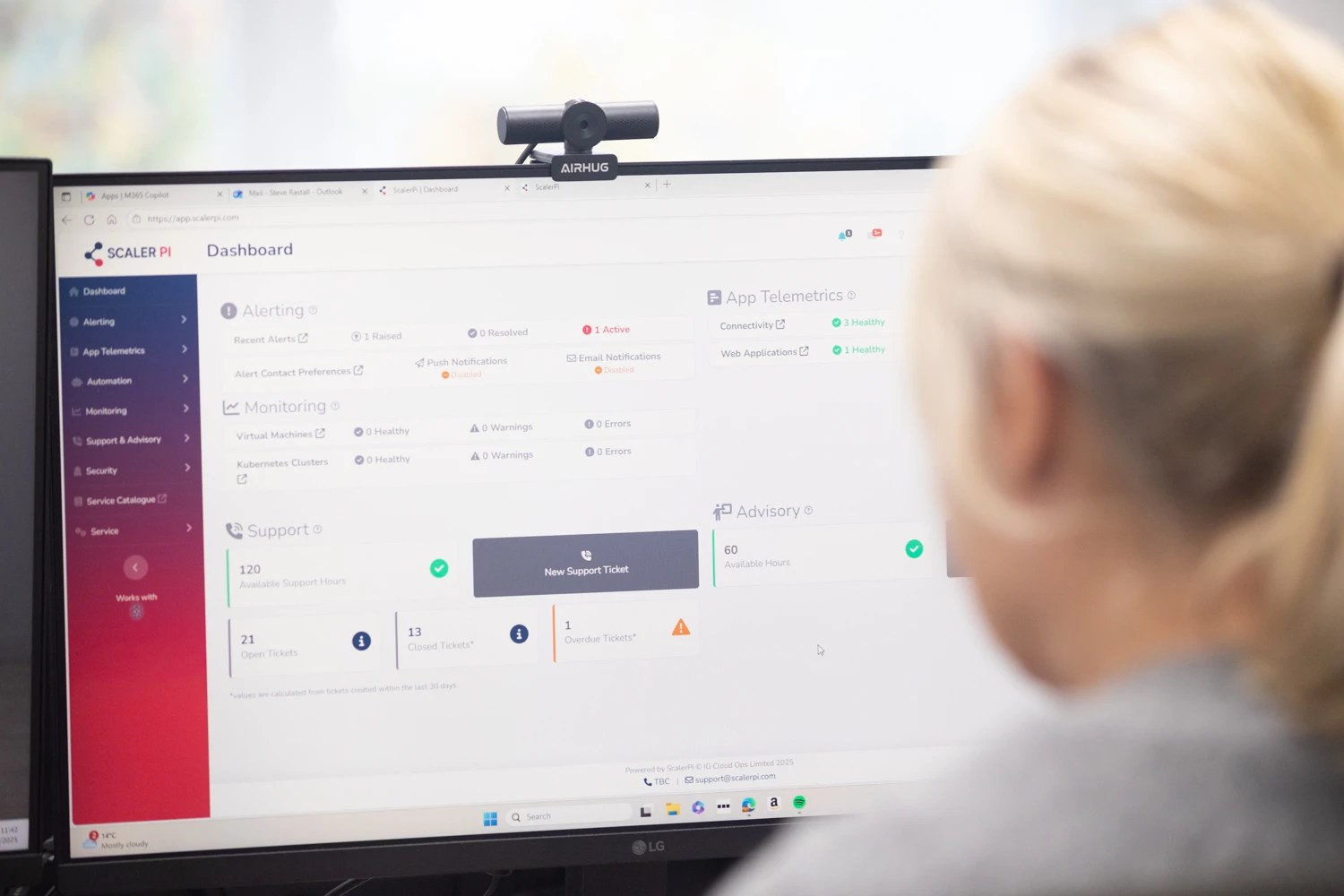
Organizations often begin their journey searching for Raspberry device management software free options to reduce upfront costs. While free software offers basic monitoring and remote access but don’t offer the degree of control required for enterprise-grade deployments. With the proliferation of device networks, businesses require more than dashboards and manual controls. They need a fully integrated ecosystem which provides provisioning and security in addition to performance monitoring and compliance reporting.
An infrastructure that is fully managed takes the day-to-day operational load from internal teams. Instead of troubleshooting devices, fixing systems, or responding to outages, businesses can concentrate on growth and innovation. Every device is able to be configured as well as deployed and maintained under a unified framework that ensures stability and consistency. This operating model doesn’t just reduce downtime, it additionally eliminates security vulnerabilities that frequently result from ignoring changes or improper configurations.
A Partnership Model for Scale
IoT ecosystems are rarely successful when designed in isolation. They require intelligent design and constant optimization. An experienced Raspberry Pi partner with experience in design will ensure that the software, hardware, and system architecture are all set up to meet the operational objectives. This partnership approach, rather than treating deployments as one-time projects, creates an infrastructure that can be scaled to meet business needs.
Each managed services engagement can be tailored to a customer’s needs, such as hardware integration platform management, as well as technical assistance, all under a single operating agreement. This unifying structure prevents vendor fragmentation and simplifies communication. The business owners now have identified technical contacts, clearly established service level agreements and transparent reports that keep all parties up-to-date.
Standardization of the provisioning and configuration process ensures uniformity in every location. Each device is constructed before being tested and registered prior to deployment, ensuring that it is in a consistent state from the very first day. Continuous telemetry offers engineers real-time insights into the device’s health and stability. This allows them to stop system failures from occurring and to detect irregularities before they escalate.
Continuous Improvement through Operational Excellence
The key to stable IoT environment is proactive maintenance instead of reactive troubleshooting. Updates and patches that are managed ensure operating systems and software remain secure and reliable. Before release, updates are thoroughly checked to ensure that there are no interruptions.
The operational workflow also includes compliance requirements. No matter if organizations need to comply with ISO standards, SOC2 frameworks, or internal reporting policies, governance procedures are in line with the requirements of regulatory agencies. This systematic approach to auditing decreases stress and increases security position.
Managed services are more valuable when they include lifecycle management and performance optimization. Regular system checks can reveal enhancements in technology, energy efficiency, and balance of workload. Instead of waiting for devices to fail or become obsolete, the infrastructure is built along with organizational growth.
Cloud and Edge Technologies can be seamlessly integrated
Modern deployments require a tight integration of hardware at the edge with cloud ecosystems. Expert Azure IoT consultancy helps companies connect devices securely to cloud platforms, while automating workflows for analytics and improving automation capabilities. This combination of physical infrastructure and cloud intelligence provides better decision-making and greater operational flexibility.
Professional IoT consulting also ensures that monitoring platforms, security protocols, and the framework for data governance operate cohesively. Engineers keep track of system performance 24/7, and respond to anomalies prior to them disrupting operations. Support options that can be scaled enable companies to expand their business in the knowledge that they have the technological expertise needed as their devices’ fleet expands.
The aim is to make edge technology advanced appear as if it were effortless. Scaler PI helps make it simpler for edge technology to be adopted by blending practical hardware knowledge with the latest innovations in cloud computing. This creates a smooth, unified environment where devices interact seamlessly with data and operations.
A Better Method to Manage Device Infrastructure
Managed services offer an all-in-one source of accountability in hardware, design and monitoring. Budgeting is streamlined with predictable pricing models. surprise, while constant monitoring and automated updates minimize the risk of operating. Companies can rest assured with the assurance that their infrastructures are secure, compliant and constantly performing at a high level.
As IoT ecosystems grow as they expand, the need for reliable operational frameworks becomes critical. Managed services will ensure that the devices’ networks are secure and efficient, as well as future-proof. This allows businesses to create new products and services without being hindered by the management of infrastructure.